

Harare, (New Ziana) – The Zimbabwe government expects development partners and other stakeholders to assist in raising the US$96 million required to fulfill some of the obligations outlined in the National Multi-Hazard Contingency Plan 2025-2026 (NMHCP 2025-2026) which Cabinet approved last week.
Ministry of Local Government and Public Works acting director for the Department of Civil Protection (DCP), Farai Hokonya, said this at a National Civil Protection meeting held in Harare on Wednesday.
The overall aim of the NMHCP is to strengthen capacity for disaster preparedness and response at the national and sub-national level.
According to the Meteorological Services Department (MSD) weather forecast, this season will be characterized by mostly normal to above-normal rainfall, with the perceived implications forming the basis for preparedness planning in addition to recurrent emergencies.
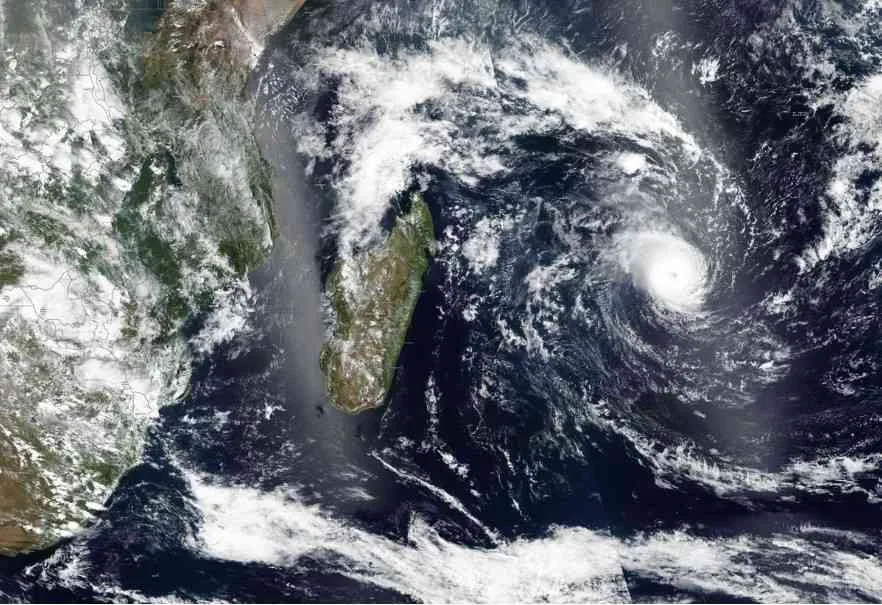
Hazards which the NMHCP 2025-26 is targeting include possible occurrence of dry spells, flash flooding, floods, cyclones, epidemics, veld fires, electrical accidents, increased mining and road traffic accidents, human and livestock disease outbreaks, strong winds/stormy rains, pest infestation, and lightning strikes, among others.
“This was one of our critical meetings for the year. Certain weather elements can undermine the gains of the good rainy season that we are expecting. That is why we crafted the NMHCP 2025-2026, whose overall coordination, dissemination, and implementation will be overseen by the Ministry of Local Government and Public Works through the DCP,” said Hokonya.
He said while the government is expected to release part of the funding towards the plan, it will not be in a position to go it alone.
“We expect public and private partners to play their part in disaster preparedness and management,” he said.
Hokonya added that local authorities were also directed to ensure that their budgets reserve some resources that will be channeled towards emergent disaster cases.
In the NMHCP 2025-2025 document foreword, Local Government and Public Works Minister Daniel Garwe noted that in view of limited resources, stakeholders should review their resource mapping to avoid duplication.
“This contingency planning will only be effective if the Government and partners commit to proactively harness resources to implement prevention, anticipatory action, mitigation, preparedness and response programs, including early recovery,” he said.
New Ziana





