

Bulawayo, (New Ziana) -The government has directed all local authorities to adopt Public-Private Partnerships (PPPs) in solid waste management, while warning that persistent under-performance by councils will now attract direct consequences for senior officials and political leadership.
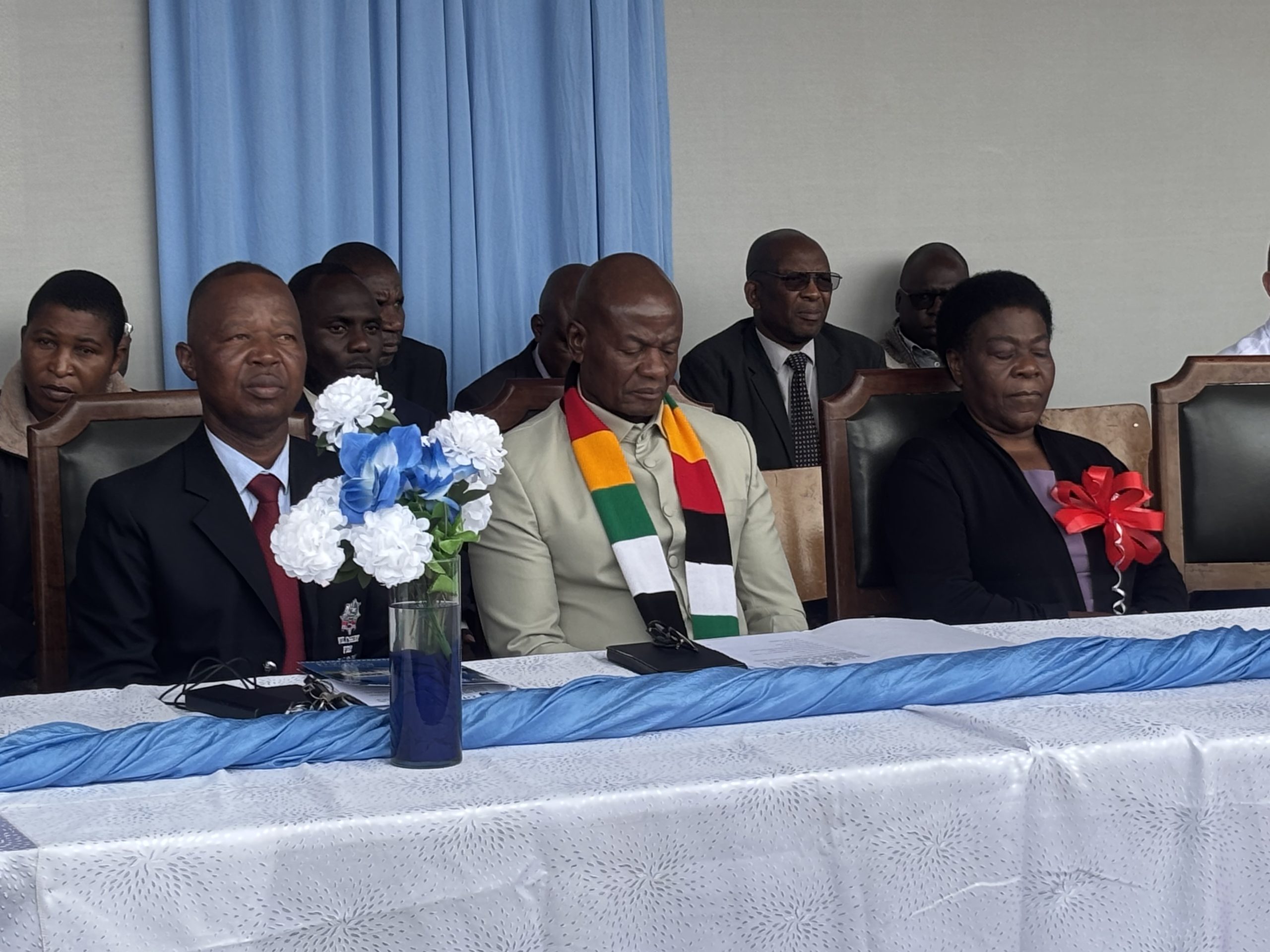
Local Government and Public Works Minister Daniel Garwe said this on Wednesday while addressing delegates at the ongoing Validation Workshop for the 2026–2030 Strategic Plans, 2026 Annual Plans and Performance Contracts for local authorities.
He said the country was entering a decisive phase where plans should translate into measurable delivery at local authority level.
“We are moving away from business as usual. Performance will be assessed on the basis of actual delivery, not intentions,” he said.
Garwe said the transition from the National Development Strategy 1 (NDS1) to NDS2 (2026–2030) marked a shift from planning to accelerated execution, with councils now firmly positioned as the primary engines of the national vision to become an upper middle income economy by 2030.
“The credibility of government is tested most directly at the local level by the reliability of water supplies, the condition of roads, the cleanliness of our cities and the responsiveness of service delivery systems,” he said.
He said government had resolved that all urban councils should adopt PPP models in solid waste management, beginning with major cities.
“Implementation will start with Harare as the proof of concept, before rolling out to Bulawayo, Gweru, Mutare, Masvingo, Kwekwe, Kadoma and Victoria Falls. Drawing inspiration from successful partnerships such as the Geo Pomona Waste Management Project, the adoption of Public-Private Partnership models in solid waste management is now mandatory for all urban local authorities,” he said.
Garwe said the reform was aimed at improving efficiency, environmental protection and public health outcomes, adding that PPPs should be viewed as tools for sustainability rather than abdication of duty.
He expressed concern over the growing number of court cases involving local authorities, warning that legal recklessness was draining council resources and threatening institutional collapse.
“This situation is untenable. Local authorities are creatures of statute and must operate strictly within the confines of the law. Illegality and disregard for due process erode public trust and undermine service delivery,” he said.
On water security, Garwe said non-revenue water had become a major threat to council viability, prompting the government to push for transformative smart water metering systems.
“Smart meters are no longer a future aspiration, they are an operational necessity,” he said.
He said the government was planning to replace over 6 400 kilometres of ageing water pipelines nationwide to curb leakages, while also upgrading infrastructure to boost water production capacity.
New Ziana