

By Simbarashe Muparaganda
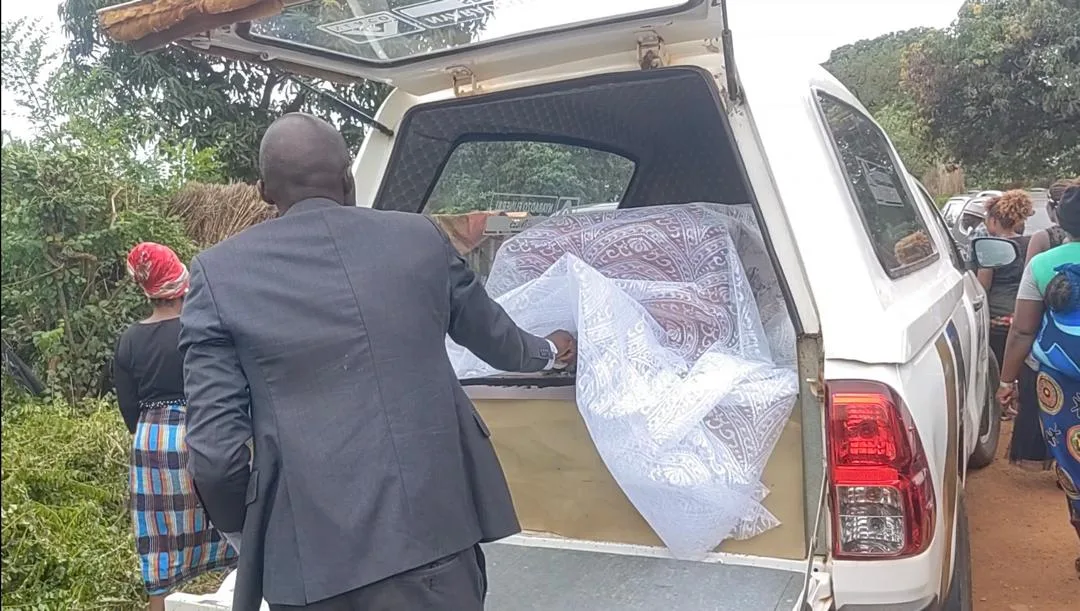
Bulawayo, (New Ziana) — Thulani Mahlangu’s last journey should have been a homecoming, but it turned into a financial nightmare.
When he passed on after a short illness in Cape Town, South Africa, his family in Lupane district, Matabeleland North province, faced not just grief but daunting logistics and extraordinary costs.
Despite having funeral insurance in Zimbabwe, it offered no solace; the policy did not cover cross-border expenses.
Desperate for assistance, Mahlangu’s family turned to crowdfunding, managing to raise the necessary funds to hire a South African funeral company to repatriate his body.
The expense amounted to R80 000, and two agonising weeks elapsed before Mahlangu’s body finally came home to Lupane.
“We were told the policy only covered services from Beitbridge to the final destination,” Chris, Thulani’s brother, reflected. “Had we known, we could have contributed to a foreign insurer for an eventuality like this.”
Mahlangu’s story echoes the experiences of countless families across southern Africa, where millions endure similar struggles as they seek to honour their deceased loved ones.
The International Organization for Migration (IOM) identifies Zimbabwe as the largest source of migrants in southern Africa, with many Zimbabweans residing in Europe and the Middle East.
The World Migration Report (2022) estimates that around 281 million people worldwide are international migrants, revealing a complex web of personal and financial challenges. At the Beitbridge Border Post, the impact of migration is palpable.
The Zimbabwe Revenue Authority (ZIMRA) processes an average of 100 deceased individuals returning from South Africa each week—nearly 400 per month.
Many families, unable to afford repatriation costs, are left to bury their loved ones far from ancestral soil, an option contrary to cultural beliefs.
“We’ve seen families unable to afford the repatriation process, leading them to make heart-wrenching decisions,” explained Nomsa Ncube, a repatriation coordinator based in Johannesburg, South Africa “Some resort to smuggling bodies across the porous borders because they simply can’t pay the fees.”
In recent instances, Blessing Zisengwe’s family in Durban, also in South Africa, could only raise R23,000 to bring his body home, while Valentine Sewera’s family, mourning a loss in Cyprus, raised just $1,255—far short of what was needed.
The gravity of these circumstances was highlighted by the burial of renowned journalist Lewis Machipisa in London, in the United Kingdom, instead of Zimbabwe, primarily due to the prohibitive costs of repatriation.
A GoFundMe campaign of £9,000 was launched to cover his funeral in London, underscoring a larger issue affecting the Zimbabwean diaspora. For Zimbabweans, burial is a profound cultural act—a homecoming.
Traditional practices, such as kurova guva, a ritual to welcome the deceased’s spirit back home, can only be performed when the body returns to ancestral soil.
“It’s about belonging,” said Sekuru Pearson Nyathi, a traditional healer. “Funerals are emotional, cultural events.”
Despite investing in funeral insurance, many Zimbabweans are unaware that most local policies only apply within national borders. “It’s heartbreaking,” lamented insurance consultant Mike Chitando.
“Families pay faithfully for years, yet when tragedy strikes abroad, the policy stops at the border. Educating families about these limitations is essential.”
Experts propose a cross-border funeral insurance system as a solution. Under this model, an insurer in the country of residence would manage logistics—including hospital release and embalming—while a partner insurer at home would handle transportation and funeral arrangements.
This shared responsibility could help alleviate financial burdens on grieving families.
“It allows the policy to travel with the individual, not stop where the border begins,” said Peter Madondo, an independent insurance expert. However, implementation poses significant challenges.
Thembokhosi Moyo, an administrator at a Johannesburg funeral parlour, noted the complexities arising from differing regulations.
Meanwhile, Cape Town-based digital insurance specialist James Martin suggested developing an online coordination platform, allowing insurers to securely share policy details, costs, and claim updates—creating a single point of contact for families.
Yet, affordability remains a significant hurdle. Financial analyst Lerato Khumalo highlighted that even slight increases in premiums could drive low-income migrants out of the market.
Insurance regulation disparities between countries complicate claim settlements, making cross-border agreements crucial.

Nyaradzo Group UK and Europe Managing Director LordWick Mushawa
According to Lordwick Mushawa, Managing Director of Nyaradzo Group UK and Europe, about 95 per cent of deceased Zimbabweans are repatriated home, but costs range from £4,000 to £7,000—factors dependent on the type of coffin and services selected.
Mushawa emphasised the need for lighter repatriation coffins to minimise expenses.
Bongani Mkwananzi, coordinator for ZimCommunity in South Africa, reflected on the life of the Diaspora: “Cross-border funeral insurance is not just a financial product; it’s a bridge between two worlds. When policies fail to cover repatriation, families grieve twice.”
 9
9
Zim-Saudi Expats chair Lelsy Matongo echoed the same sentiments: “Mobility is a fact of African life. If insurers recognise this, they will earn lifelong loyalty.”
For now, families revert to churches, community fundraisers, and platforms like GoFundMe to raise the funds required to bring bodies of their loved ones home.
The Ncube family, who nearly faced an unthinkable loss, hope for a future where the costs of dignity in death no longer eclipse the love for family.
“We talk about free movement of people in life. It’s time we made that possible in death, too,” said Ncube. “We’re grateful our brother is home.”
New Ziana





